
Article cover image
Mangrove knowledge
Senggarang field learning connects mangroves and blue-economy concepts
UMRAH students joined a field lesson on carbon footprints and mangrove planting with MITC and the Senggarang community group.
13 articles
UMRAH students joined a field lesson on carbon footprints and mangrove planting with MITC and the Senggarang community group.
Exploring Ceriops tagal mangrove propagules as natural dyes for ecoprint batik, connecting coastal biodiversity with textile innovation and opportunities for coastal livelihoods.
A systematic review of selenium nanoparticles in aquafeeds, examining their potential to support fish health and feed efficiency, with implications for environmentally responsible aquaculture.
Exploring marine bioresources for the green synthesis of silver nanoparticles, connecting coastal biodiversity with potential cosmetic applications, including antimicrobial ingredients and UV protection. bio-conferences.org
eviewing green-synthesized silver nanoparticles as disinfectants, highlighting coastal bioresources such as mangroves and algae and their potential for environmental applications.
Single-step green synthesis of gold nanoparticles using the coastal mangrove Rhizophora stylosa leaf extract, highlighting mangrove bioresources as a source of natural compounds for nanomaterial production and antibacterial applications.
Exploring Mangrove,Sargassum and Enhalus acoroides bioresources for the green synthesis of nanomaterials with potential applications in coastal environmental remediation and sustainable aquaculture.
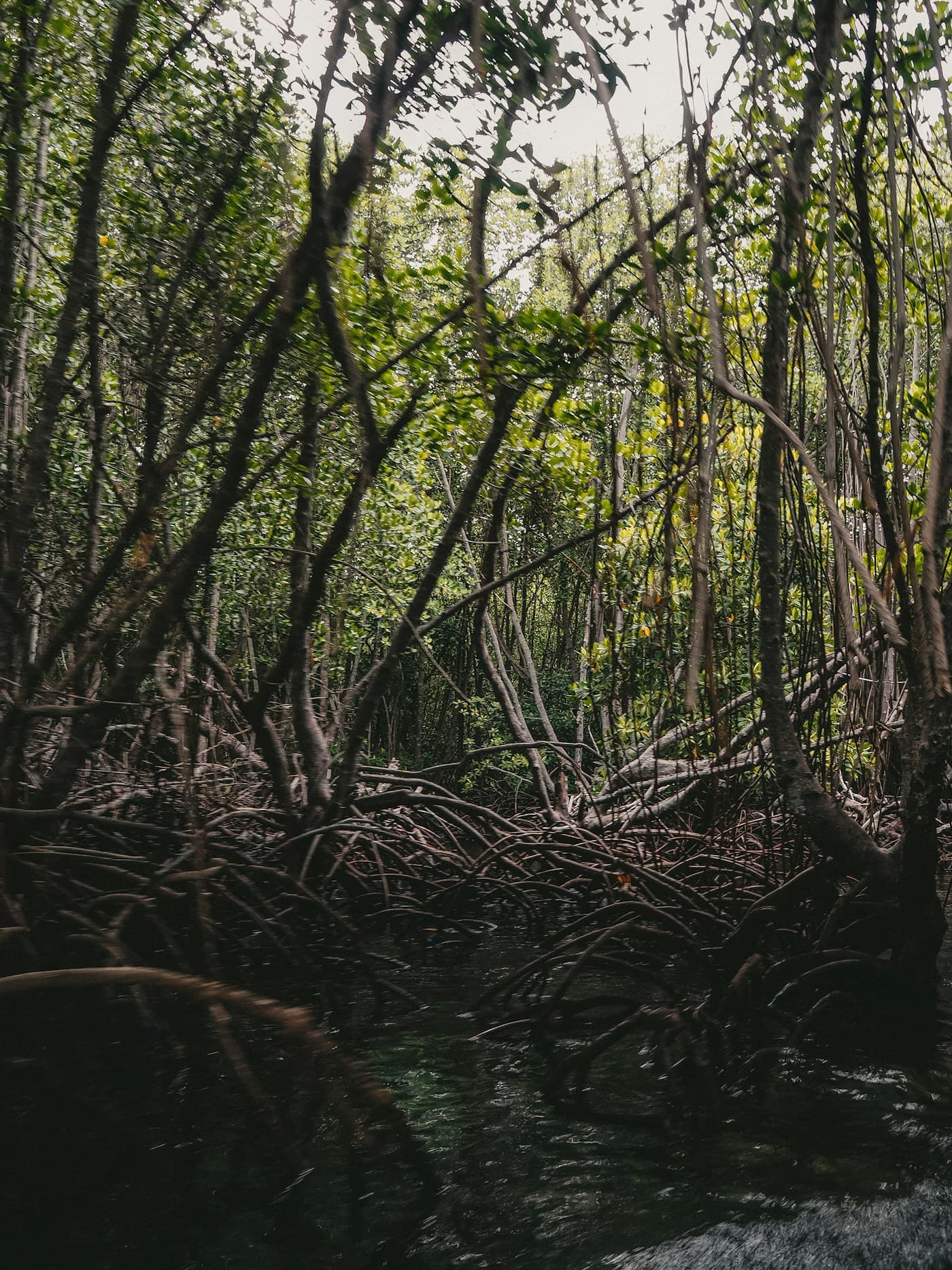
Successful restoration begins by understanding tides, elevation and the causes of habitat loss. Planting is only one possible tool.
Mangrove carbon is held in living vegetation and in soils. Protecting intact ecosystems helps avoid the loss of these existing stores.
Mangrove vegetation can reduce wave energy, but the level of buffering depends on the forest and the coast around it.
Research & Researchers
Popular writing, activity news, and scientific opinions from researchers.